PT
PT
 EN
EN
 PL
PL
 RO
RO
2026 Guide to Non-Native Workforce Training for Irish Employers
Irish employers now hire staff from countries across the globe. Non-native workforce training helps these workers understand safety rules, company policies, and job tasks. Without training, language gaps lead to accidents, poor compliance, and low morale.
This guide covers training types, multilingual safety courses, and provider options for Ireland in 2026. Ireland T&T builds training plans that suit your team.
Quick Answer:
Supporting migrant staff, non-native workforce training covers key workplace needs. It includes language support, safety courses, and cultural awareness. Irish employers use it to meet compliance requirements and reduce accidents. The training helps build stronger and more inclusive workplace teams.
Ireland T&T creates training plans for non-native staff in construction and office teams. Call +35314604829 now to book your course today.
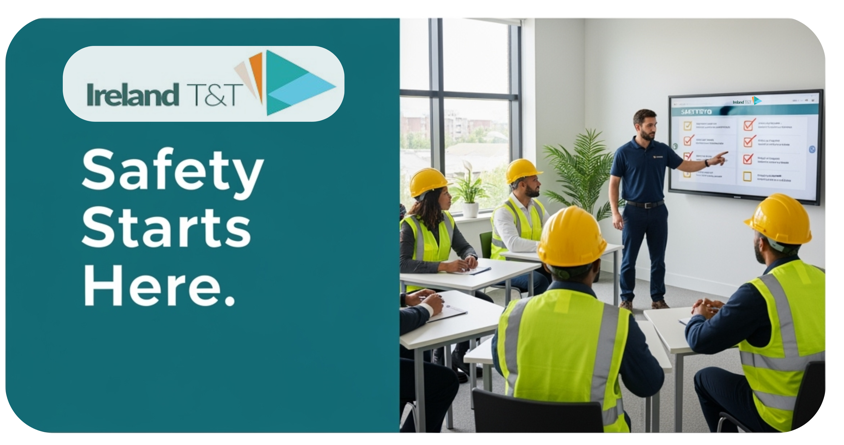
Why Training Matters for Non-Native Staff in Ireland
Ireland's workforce includes skilled staff from Poland, Brazil, India, and the Philippines. Workers face language gaps and learn what is health and safety training.
A focused training programme closes this gap with clear guidance. It supports employment programmes while cutting accidents and improving retention. Workers meet Safe Pass and manual handling card requirements through training.
Types of Training Programmes for Migrant Employees
Training for migrant staff falls into several groups. Employers pick diversity and inclusion training Ireland programmes for risks and language needs.
Cultural Awareness and Intercultural Training
Building workplace understanding begins through cultural awareness courses for employees. The courses teach communication styles, workplace norms, and conflict resolution skills.
Businesses combine diversity training with multilingual workplace training to prevent confusion. The courses support safety training for migrant workers and build respectful workplaces.
Multilingual Safe Pass and Manual Handling Courses
Irish construction sites require Safe Pass and manual handling training. Workplace compliance training Ireland helps workers learn through their first language.
We run these courses in several languages, so staff grasp safety rules without confusion. Clear instructions cut accidents and keep sites compliant with health and safety law.
Core Multilingual Workforce Training Types
Training Type | Focus Area | Best For |
Safe Pass (Multilingual) | Site safety basics | Construction crews |
Manual Handling | Injury prevention | Warehouse and care staff |
Cultural Awareness | Communication and norms | Mixed-nationality teams |
Anti-Racism and Inclusion | Equality and fair treatment | Managers and HR |
Language Support | English for work tasks | New hires with limited English |
How to Build a Non-Native Workforce Training Plan
A strong plan starts with a skills and language audit. Map out which roles need certification, such as Safe Pass, manual handling, or fire safety. Align training goals with compliance deadlines and team size. Review progress after three months using foreign language safety training Ireland results.
Assess Language and Skill Gaps First
Survey staff to find out which languages they speak and read best. Test current skill levels against job requirements. This step shows where training budgets bring the biggest return.
Set Clear Compliance Goals
List which certificates staff need under Irish law, such as Safe Pass for construction. Set a deadline for staff to complete courses on time. Track completion rates so gaps don't slip through.
Multilingual Safety Training for Construction and Manual Roles
Safety training saves lives on site when staff understand it. Non-native workforce training in a worker's own language removes doubt and confusion.
Safe Pass Training in Multiple Languages
Safe Pass is compulsory workplace safety training for non-native workers. We deliver courses in Polish, Portuguese, and Romanian. Staff pass the exam with confidence when they understand the material.
Manual Handling Training for Non-Native Staff
Manual handling injuries account for a large share of workplace claims. Intercultural workforce training in a worker's first language cuts these injuries and builds lasting safe habits. We offer this course on site or online.
Diversity and Cultural Awareness Training
Diversity training builds a workplace where staff from different backgrounds work well together. A well-run non-native workforce training plan often folds this in as a core module. It reduces conflict and supports fair treatment across the team.
Anti-Racism and Inclusion Training
Anti-racism training teaches staff to spot bias and respond to it well. The Immigrant Council of Ireland runs sessions that cover Irish equality law and practical steps for managers.
Cross-Cultural Communication Skills
Cross-cultural training helps staff read tone, body language, and workplace norms across cultures. Role-play exercises and real workplace scenarios work better than lecture-style sessions for this skill.
Choosing the Right Training Provider
Pick a provider with a proven record in non-native workforce training across Irish sites. Check that courses cover the languages your staff speak. Our Institute meets these standards and works with employers in construction, hospitality, and care sectors across Ireland.
Multilingual Workforce Training Providers in Ireland
Provider | Training Focus | Cost | Languages Offered |
Immigrant Council of Ireland | Anti-racism, intercultural training | Free / grant-funded | English |
Pathways to Progress | Employment skills for migrants | Free | English, translated materials |
EMN Ireland | Research and employer guidance | Free (reports) | English |
Ireland T&T | Safe Pass, manual handling, induction | Paid | English, Polish, Portuguese, Romanian, and more |
Ireland T&T Advice
“Choose a training provider that offers courses in your workers' first languages. Providers with Safe Pass and manual handling certification save time, cut paperwork, and reduce risk across your site”.
Ireland T&T runs multilingual safety and induction courses across Ireland. Call +35314604829 to arrange training that fits your team.
FAQs
Q: What are the 4 types of training?
A: The four main types are induction, safety, skills, and compliance training. Non-native staff often need these delivered in their own first language for work.
Q: What is an example of cross cultural training?
A: A workplace role-play on communication styles is a good example of cross-cultural training. It helps staff read tone and body language across cultures at work.
Q: Which training is best for employees?
A: The best training matches the job risk and the worker's language skills. A mix of safety, cultural, and compliance training works best for mixed crews.
Q: What are examples of training programs?
A: Examples include Safe Pass, manual handling, cultural awareness, and language support courses. We offer all of these for non-native staff in Ireland.
Q: What does staff training cost for migrant workers in Ireland?
A: Costs vary by course length, group size, and language needs. We give a free quote after a short call about your team's needs and site location.
Q: How long does staff training take to complete?
A: Course length depends on the topic and group size. Safe Pass takes one day, while cultural awareness sessions run two to four hours across busy sites.
Q: Is Safe Pass compulsory for non-native construction workers?
A: Yes, Irish law requires Safe Pass and manual handling cards for construction roles. Employers must give this training to non-native staff before work starts.
Conclusion
Ireland's workforce keeps growing more diverse across construction, care, and hospitality sites. Language gaps and safety risks grow with it unless employers step in early.
Multilingual courses, delivered in a worker's own language, cut accidents and build trust across the team. Ireland T&T designs non-native workforce training that fits Irish sites, budgets, and compliance rules for 2026 and the years ahead.
Ireland T&T helps employers build safer teams through practical staff training. Call +35314604829 to start your programme this month.