PL
PL
 EN
EN
 PT
PT
 RO
RO
What Is a Manual Handling Course in the Workplace
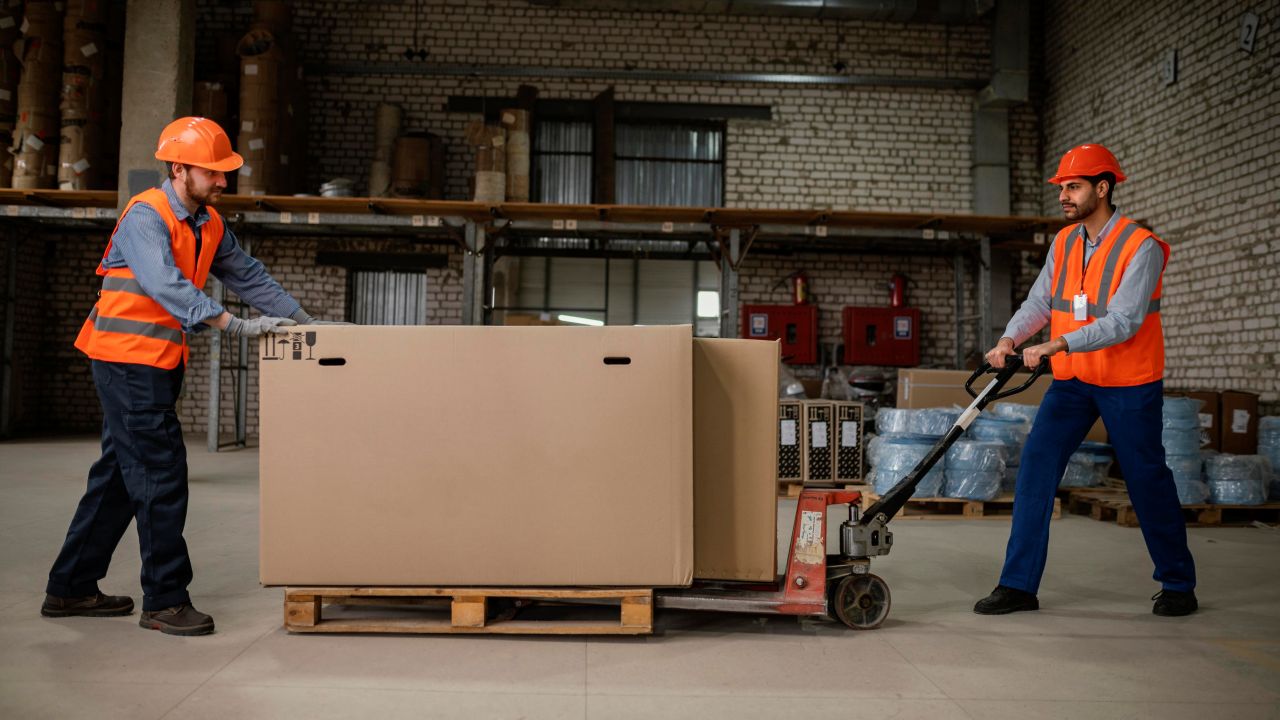
So, what is a manual handling course in the workplace? It teaches workers how to complete physical tasks safely. These tasks include lifting, lowering, carrying, pushing, pulling, holding, and moving loads by hand or body force.
Unsafe lifting habits cause injuries during workplace tasks. Heavy loads, poor posture, and repeated movements can strain muscles, joints, and the spine.
Manual handling training teaches workers about risks before injuries happen. They use safer methods instead of depending only on physical strength. This training helps protect workers and businesses from injuries.
Why Manual Handling Training Matters
Irish workplaces see thousands of workers suffer injuries each year. Back pain causes frequent absences and missed work across industries. Manual handling course teach safer methods to help reduce these risks.
The benefits include:
- Lower risk of back and muscle injuries
- Better manual handling workplace safety
- Improved confidence during lifting tasks
- Fewer accidents and sick days
- Better legal compliance for employers
- Higher productivity across the workplace
Small businesses and large construction projects gain benefits from these improvements.
Who Should Take a Manual Handling Course?
Some workers think this training only supports warehouse jobs. The course also helps people who lift and move loads at work. Anyone handling loads regularly can learn safer working methods.
Common industries include:
- Construction
- Warehousing
- Manufacturing
- Retail
- Healthcare
- Hospitality
- Cleaning services
- Delivery and transport
- Office staff handling stock or equipment
Healthcare workers may also require a separate Patient manual Handling course because moving people involves different techniques than moving equipment or materials.
What You'll Learn During the Course
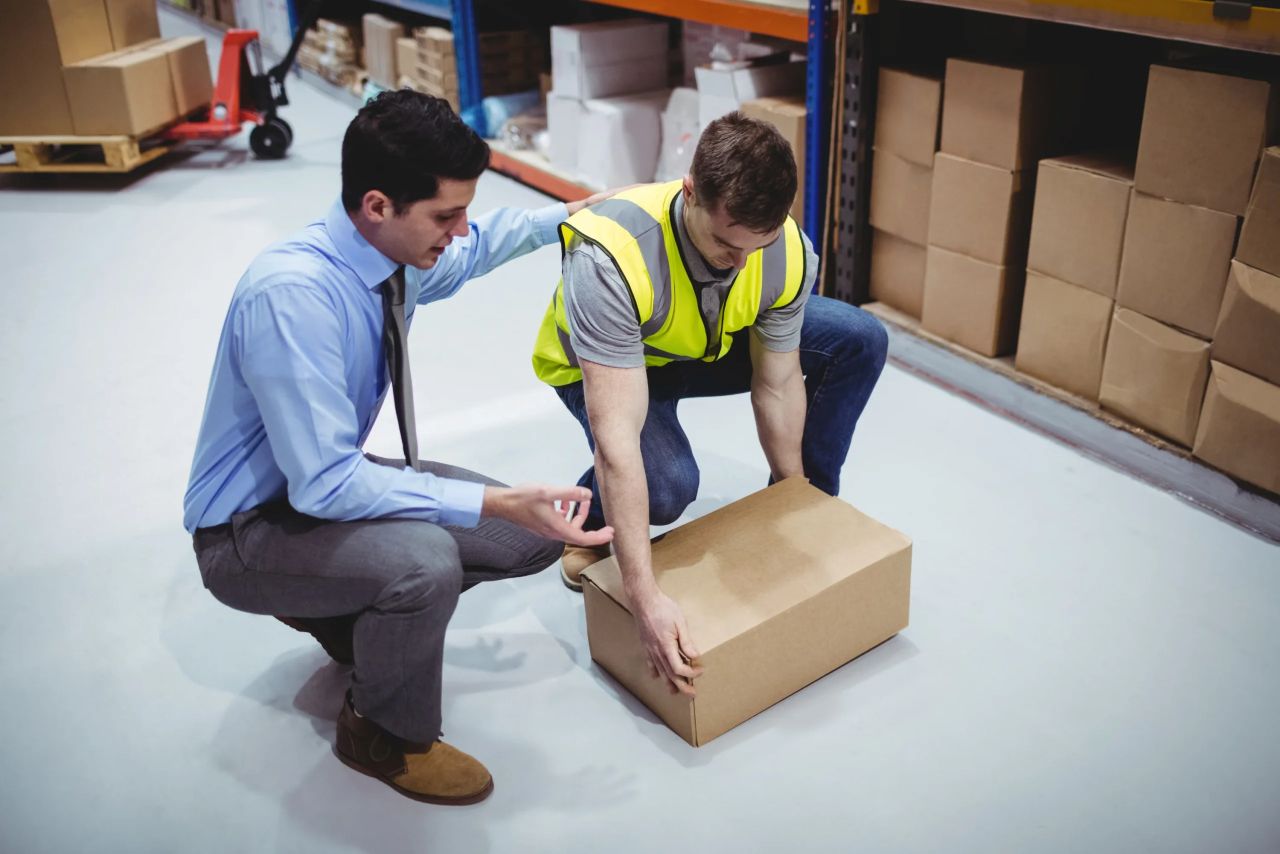
Many people ask, what is manual handling course training actually like? This course includes classroom learning alongside practical lifting exercises. You discover how your body responds during lifting activities. An experienced trainer supports your practice of safe techniques. Typical topics include:
Safe Manual Handling Techniques
You'll learn how to lift, lower, carry, push, and pull loads safely. Correct posture reduces pressure on your back and joints.
Manual Handling Risk Assessment
Before lifting anything, workers should assess the task. You'll learn how to check:
- Load weight
- Load size
- Grip points
- Travel path
- Surrounding hazards
A simple assessment often prevents serious injuries.
Body Mechanics and Spine Anatomy
Understanding manual handling body mechanics helps protect your spine. The course explains:
- How the spine supports movement
- Why posture matters
- How muscles work together
- How poor lifting causes injuries
These lessons improve long-term manual handling back injury prevention.
Hazard Identification
Not every risk is obvious. You'll learn how to recognise:
- Slippery floors
- Uneven surfaces
- Poor lighting
- Tight spaces
- Unstable loads
- Repetitive lifting tasks
Good manual handling hazard identification helps workers make safer decisions every day.
Practical Demonstrations Build Confidence
Reading about lifting is one thing. Doing it correctly is another. That's why a practical manual handling course includes hands-on exercises.
Your trainer demonstrates safe lifting techniques before asking you to practise them. You'll receive helpful feedback throughout the session. This practical approach makes safe habits easier to remember once you return to work.
Manual Handling Laws in Ireland
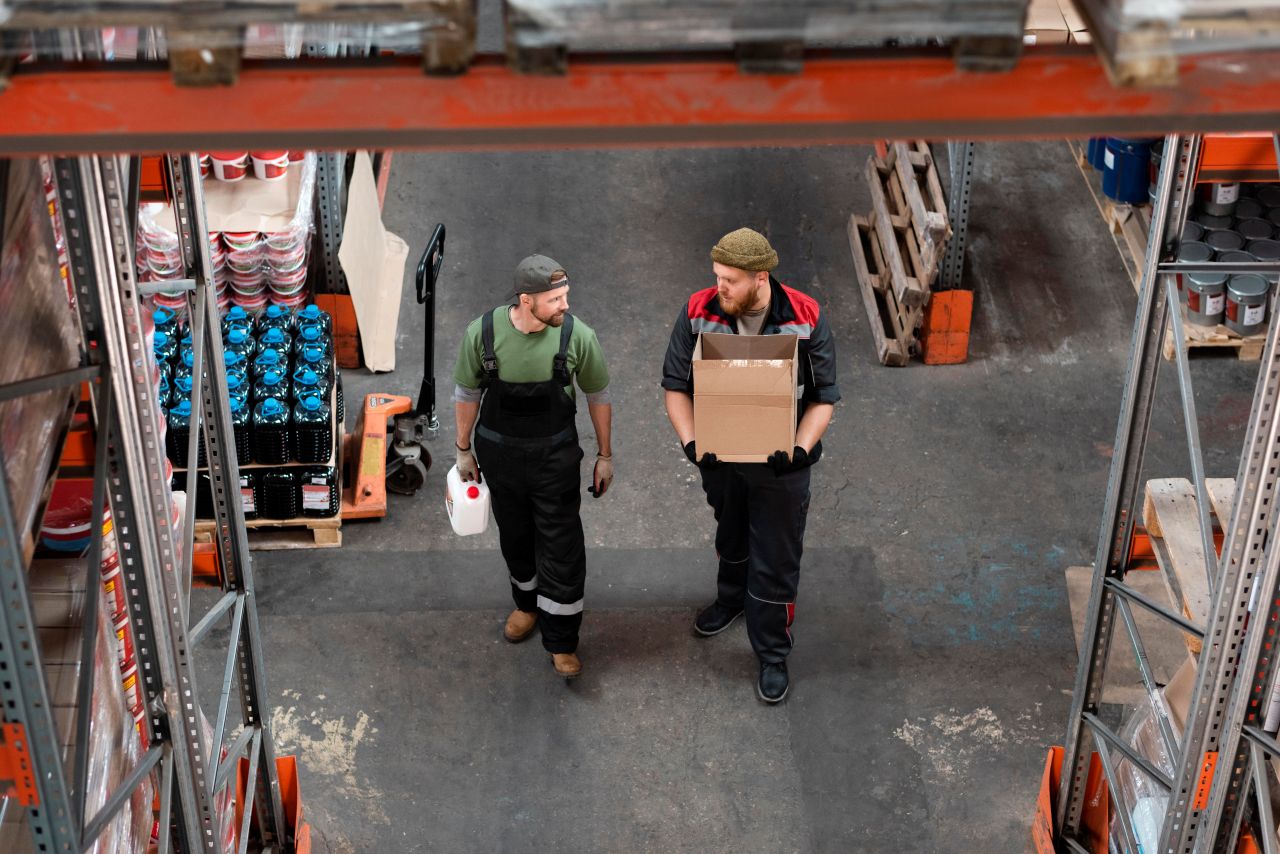
Irish employers have a legal duty to protect their workers. The Safety, Health and Welfare at Work Act 2005 and the General Application Regulations require employers to assess manual handling risks wherever possible.
When risks cannot be removed, employers must provide suitable manual handling legislation training. This training helps businesses:
- Meet legal obligations
- Reduce workplace injuries
- Improve employee wellbeing
- Lower accident-related costs
Employees also have a responsibility to follow safe working procedures after receiving training.
Manual Handling Course Online or On Site?
Many people ask whether they should choose a classroom course or a Manual Handling course online. The right option depends on your job role.
Office workers or remote teams may complete the theory online. Workers in construction, warehousing, manufacturing, and healthcare often benefit more from practical sessions with an instructor.
Feature | Manual Handling Course Online | On-Site Practical Course |
Flexibility | Excellent | Good |
Theory Learning | Yes | Yes |
Practical Demonstration | Limited or Hybrid | Full Practical Training |
Trainer Support | Online | Face-to-Face |
Best For | Office and Remote Staff | Physical Workplaces |
Certificate | Yes, where course requirements are met | Yes |
Some people also search for What is a manual handling course online free, What is a manual handling course free, or Manual Handling certificate free PDF.
Free online resources explain basic ideas but do not provide work certificates. Choose accredited MEWP Training options when you need employer-recognised certificate for work.
Common Risks
Without training, workers risk:
- Herniated discs
- Shoulder tears
- Muscle fatigue
- Chronic joint pain
Back injury prevention and ergonomic safety training are key components of the course. Training ensures every lift is a calculated, safe action, not a dangerous guess.
Risk assessments are also covered, teaching employees how to think critically about every task. These risk assessment procedures are vital for injury prevention.
Safe Pass vs Manual Handling - What’s the Difference?
Some workers confuse the Safe Pass program with manual handling. Here’s how they differ:
- Safe Pass: General health and safety for construction workers.
- Manual Handling: Specific to lifting and carrying risks across all industries.
Both may be required, but Safe Pass vs Manual Handling addresses different safety aspects.
Real Benefits of a Manual Handling Course
These benefits go beyond physical safety:
- Increased job confidence
- Fewer sick days
- Higher team productivity
- Better morale
What is a manual handling course? It's a key reason why employers notice improved staff performance and fewer insurance claims. Workers feel more secure and capable during their tasks after completing the training.
Who Should Take a Manual Handling Course
This training isn’t just for heavy lifters. It’s for:
- Warehouse and retail staff
- Health professionals
- Cleaners and caretakers
- Drivers and couriers
- Office workers managing stock or equipment
Every person involved in lifting and carrying safety tasks should be certified.
Course Duration, Certification, and What to Expect
Manual handling courses run for 2 to 3 hours during training. Trainers blend theory with practical demonstrations throughout the course. Workers with Safe Pass course Dublin get certificates valid up to 3 years.
Expect:
- Visual learning
- Hands-on practice
- Trainer guidance
- Q&A sessions
The flexible manual handling course duration ensures you get valuable training without taking too much time from your day.
Employer Responsibilities
Irish employers have a legal responsibility to reduce manual handling risks wherever possible. This includes:
- Completing a manual handling risk assessment
- Removing unnecessary lifting tasks
- Providing suitable lifting equipment
- Delivering manual handling for employees
- Reviewing workplace hazards regularly
Flexible manual handling courses save time while giving valuable training. The course fits your day with driver CPC options and saves time.
Why Manual Handling Training Benefits Your Business
A trained workforce works more safely and more confidently. Businesses often notice improvements soon after training.
Before Training | After Training |
More lifting injuries | Fewer workplace injuries |
Higher absenteeism | Better attendance |
Greater accident costs | Lower injury-related costs |
Reduced confidence | Improved employee confidence |
More downtime | Better productivity |
Investing in manual handling injury prevention also supports employee wellbeing. Workers feel more confident because they know how to complete physical tasks safely.
Protect your team and meet legal requirements with expert-led training from Ireland T&T. Book your session now by emailing info@irelandtt.com.
Ireland T&T Advice
“Don't wait until someone gets injured before arranging training. Regular manual handling ergonomics training helps workers build safe habits that reduce accidents, improve confidence, and support legal compliance. Refresher training every few years keeps these skills fresh and protects your team long term.”
FAQ
Q: Is a manual handling course required by law in Ireland?
A: Yes, according to Irish law, employers need to train all staff engaged in lifting or moving loads to be safe in terms of injury, since this is a mandatory training provided in Ireland.
Q: How long does a manual handling certificate last?
A: A manual handling certificate is usually valid for three years. Then, employees ought to undergo a refresher course that keeps their safety standards and compliance in line.
Q: Can I take the manual handling course online?
A: Yes, we offer fully certified online manual handling courses. These flexible options are ideal for remote learners and include video guidance and assessments.
Q: What happens in a manual handling course?
A: You learn safe lifting methods through theory and practical exercises. The course also covers risk assessment, body mechanics, and workplace safety.
Q: What are 5 examples of manual handling?
A: Examples include lifting, carrying, pushing, pulling, and lowering loads. These everyday tasks require safe techniques to reduce injury risks.
Q: What are the 4 P's of manual handling?
A: The 4 P's are Plan, Position, Pick, and Proceed. Following these simple steps helps workers lift and move loads safely.
Q: What are the 5 steps of manual handling?
A: The five steps are assess the load, plan the lift, adopt a safe posture, lift correctly, and place the load safely.
Conclusion
Understanding what is a manual handling course is the first step to creating a safer workplace. Correct handling methods show workers how to lift and move loads safely. Workers gain Safe Pass card knowledge and build confidence through these skills. These skills support better workplace safety across Ireland sites.
Manual handling training offers more than meeting legal duties at work. It helps reduce workplace injuries and limits employee sick leave. The course can improve productivity across different work environments. Employers also save costs linked to workplace accidents.
Ireland T&T has provided trusted Manual Handling Course Ireland training since 2010. Skilled trainers deliver HSA-aligned courses for businesses and individuals across Ireland. We provide practical training through on-site or classroom options. Our courses help teams build safer and more confident workplaces.
Ready to improve workplace safety? Enroll in a certified manual handling course with Ireland T&T today. Email info@irelandtt.com or call +353 1 460 4829 to get started.